
India + China / Global sourcing
China expertise. India advantage. Global possibilities.
A practical perspective on building resilient sourcing for luggage, backpacks and travel accessories — from people who have worked inside both ecosystems.
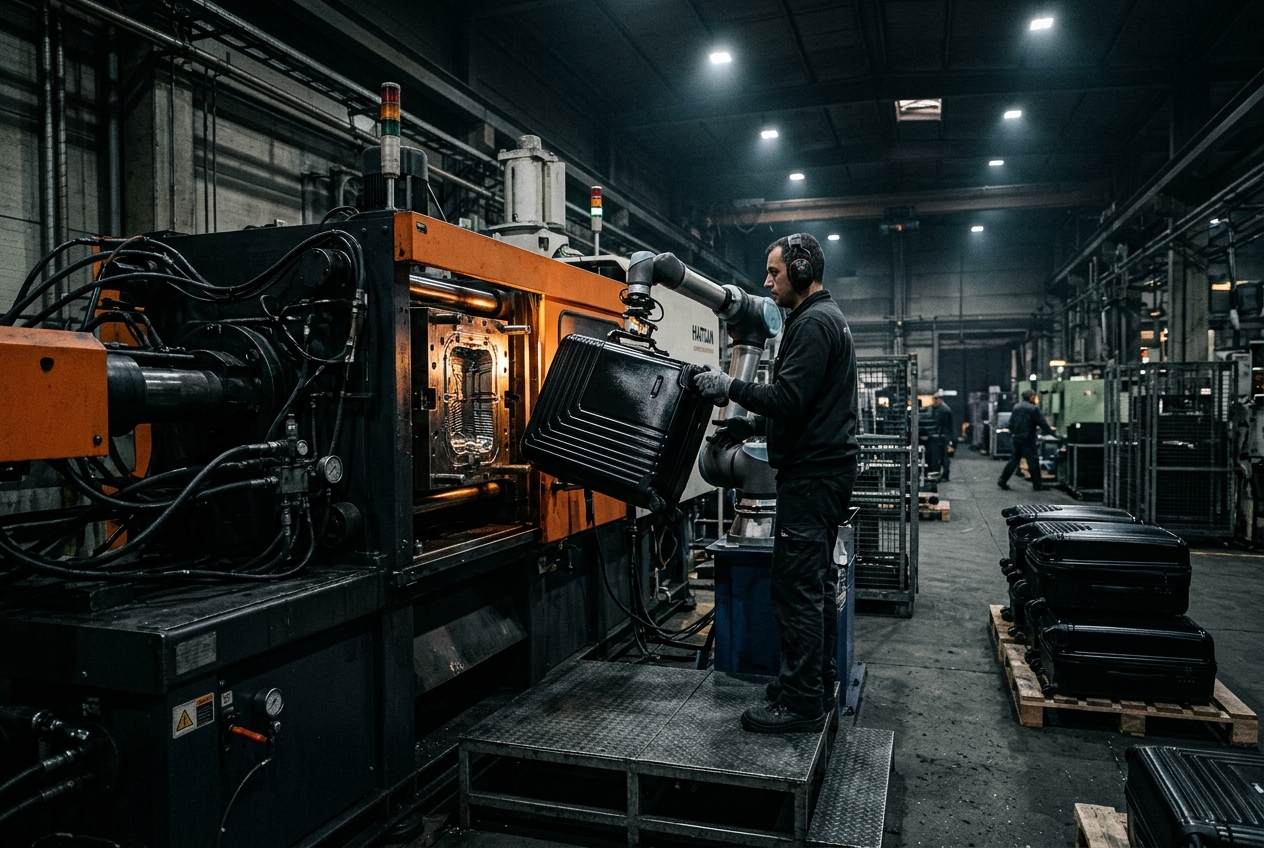
01 — China's manufacturing ecosystem
Mature. Integrated. Deep.
- Raw material sourcing
- Component manufacturing
- Plastics processing
- Injection moulding
- Fabric manufacturing
- Hardware
- Zippers
- Trolley systems
- Supplier networks
- Industrial infrastructure
- Production scale
- Manufacturing technology
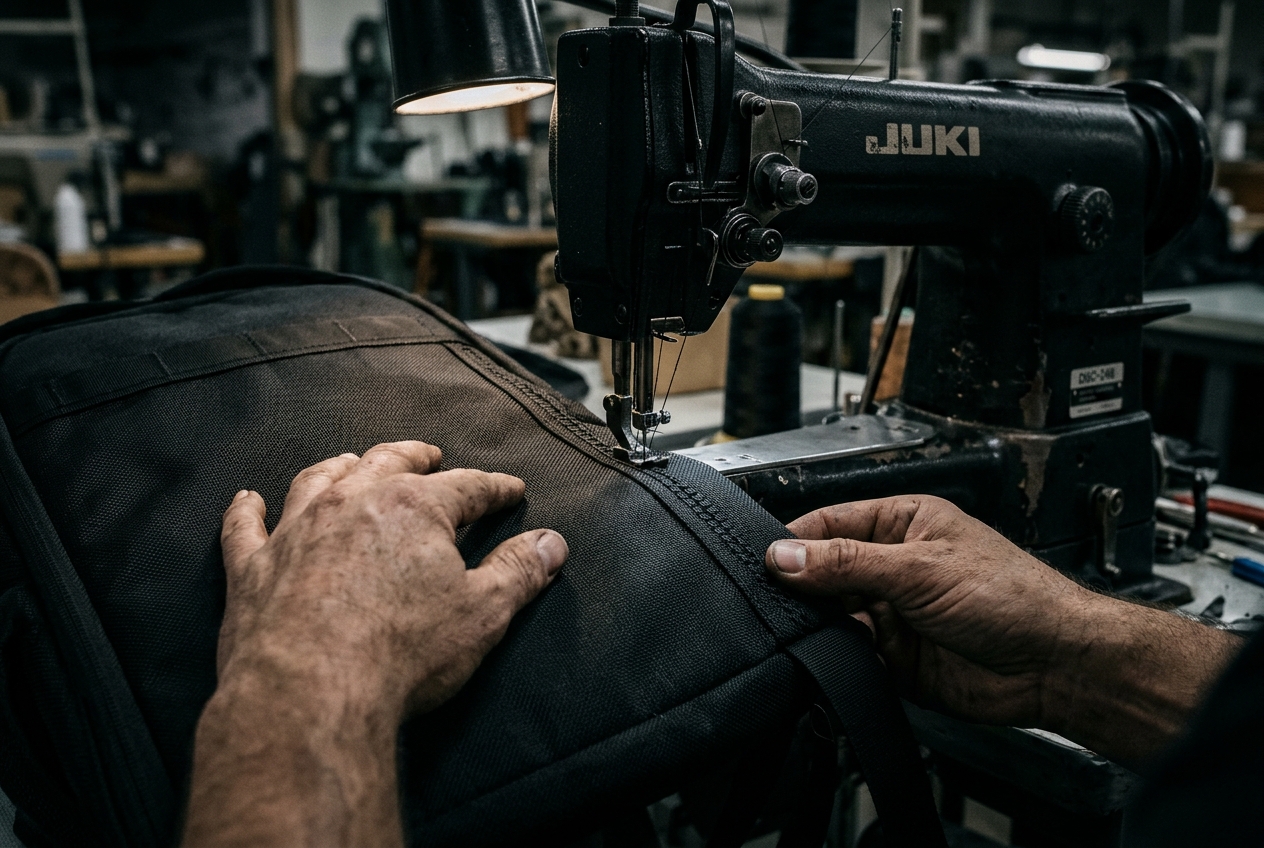
02 — India's growing ecosystem
Capable. Growing. Competitive.
03 — The China + 1 strategy
Not replacing China. Adding a second ecosystem.
Global supply chains are evolving. International businesses are increasingly evaluating additional manufacturing locations to reduce concentration risk, improve sourcing flexibility and develop resilient supply chains.
China + 1 is not about replacing China entirely. It is about creating an additional manufacturing ecosystem alongside China — and India is increasingly important in this strategy.
04 — India's opportunity in luggage & travel goods
Why India is emerging as an important manufacturing partner.
Growing Domestic Manufacturing
India's luggage and travel goods manufacturing ecosystem is developing through investments in production infrastructure, machinery, local manufacturing capabilities and supplier development.
Competitive Manufacturing Economics
India can offer competitive labour and manufacturing economics in suitable product categories. The actual cost advantage depends on material sourcing, scale, factory productivity, tooling, quality, wastage, logistics and production efficiency.
Increasing Product Capabilities
Indian manufacturers are developing capabilities across hard luggage, soft luggage, backpacks, fabrics, moulded components, stitching, hardware and accessories.
Domestic Market Advantage
India has a large consumer market and growing demand for organised luggage, backpacks and travel products.
Global Supply Chain Diversification
India provides international buyers with an additional sourcing destination alongside China.
Manufacturing Transformation
The Indian manufacturing ecosystem is increasingly investing in better processes, machinery, product quality and operational efficiency.
Export Potential
India offers opportunities for international brands seeking diversified production and additional manufacturing capacity.
05 — India vs China
A balanced comparison.
| Factor | China Mature, integrated ecosystem | India Capable, growing additional destination |
|---|---|---|
| Manufacturing maturity | Highly mature, decades of category specialisation | Developing rapidly, with growing organised capacity |
| Raw material ecosystem | Deep, integrated and close to factories | Expanding; some specialised inputs still imported |
| Supplier network | Dense clusters of specialised component suppliers | Growing network, strengthening through supplier development |
| Production scale | Very large-scale capacity across categories | Scaling up; strong for suitable programmes |
| Labour economics | Rising labour costs in many regions | Competitive in suitable categories, subject to productivity |
| Component availability | Wide availability of wheels, trolleys, zippers, locks | Improving local availability; mixed sourcing models common |
| Product development capabilities | Established development and sampling infrastructure | Increasingly capable, investing in design and tooling |
| Infrastructure | Extensive industrial and export infrastructure | Improving industrial corridors, ports and logistics |
| Supply chain diversification | Concentration risk for single-country sourcing | Strong option as an additional sourcing destination |
| Manufacturing flexibility | Highly flexible across MOQs and specifications | Flexible for many programmes; depends on factory and product |
The right answer depends
India is not always cheaper or better than China. The optimal sourcing decision depends on:
- Product type
- Order quantity
- Material specifications
- Quality requirements
- Tooling
- Total landed cost
- Delivery timeline
Outbound International evaluates both ecosystems for each programme and recommends the appropriate model — China, India, or a combined China + India approach.
06 — Total landed cost
Look beyond the unit price.
- Ex-factory price
- Unit cost reflecting materials, labour, overheads and margin.
- Tooling & moulds
- One-time costs for shells, components and their amortisation over volume.
- Materials & components
- Whether inputs are local or imported, and their duties and lead times.
- Quality & wastage
- Rejection rates, rework and the cost of quality failures.
- Freight & insurance
- Inland and international logistics to the destination market.
- Duties & compliance
- Import duties, trade agreements, testing and certification.
- Inventory & lead time
- Working capital tied up in transit and safety stock.
07 — Transition & resilience
Building supply chains that last.
Why global brands diversify
Concentration in a single country exposes programmes to disruption, policy change and capacity constraints. A second ecosystem adds flexibility.
Manufacturing transition
Moving products between countries requires careful tooling transfer, material localisation, supplier development and quality re-validation — done in phases, not overnight.
Global supplier development
Building capable suppliers takes structured audits, technical support, sampling discipline and clear quality standards.
Supply chain resilience
A balanced China + India model can protect continuity while retaining access to China's component depth.
Further reading
Credible research sources.
CRISIL
Industry research and ratings on consumer durables and travel goods.
Ministry of Commerce and Industry, India
Trade policy and export promotion.
DPIIT
Department for Promotion of Industry and Internal Trade — industrial policy.
Invest India
National investment promotion and facilitation agency.
NITI Aayog
Policy think tank on manufacturing competitiveness.
Council for Leather Exports & industry associations
Category-specific trade and export perspectives.

Start a project
LET'S BUILD YOUR NEXT PRODUCT TOGETHER.
Whether you are an established brand looking to optimise your sourcing strategy or a new business entering the luggage and travel goods category, we are ready to help you move from idea to execution.